
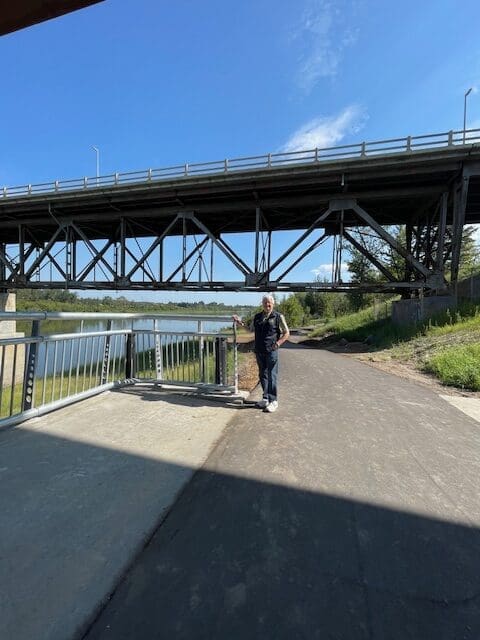
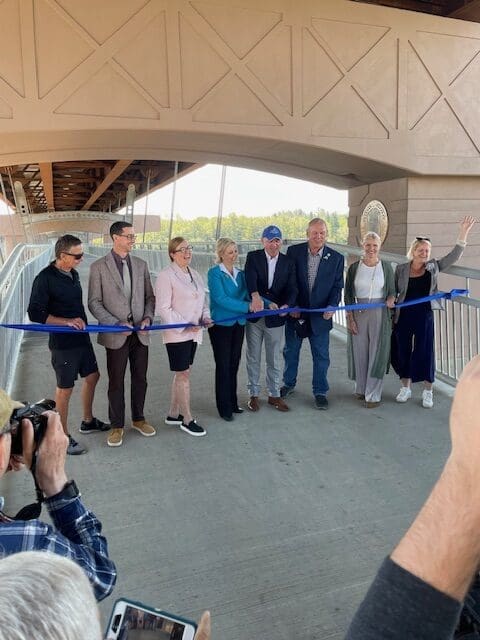
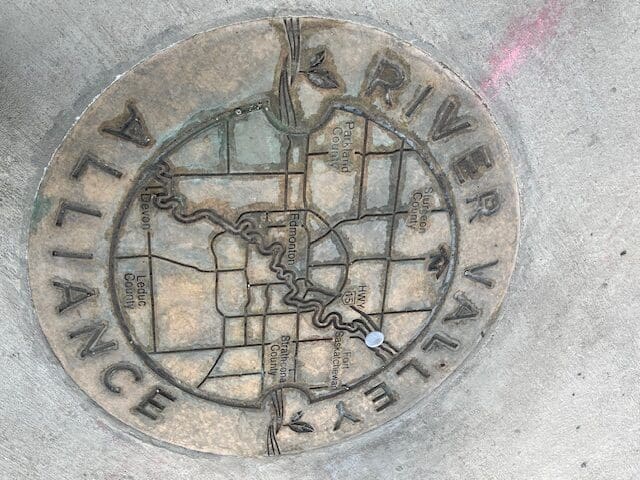
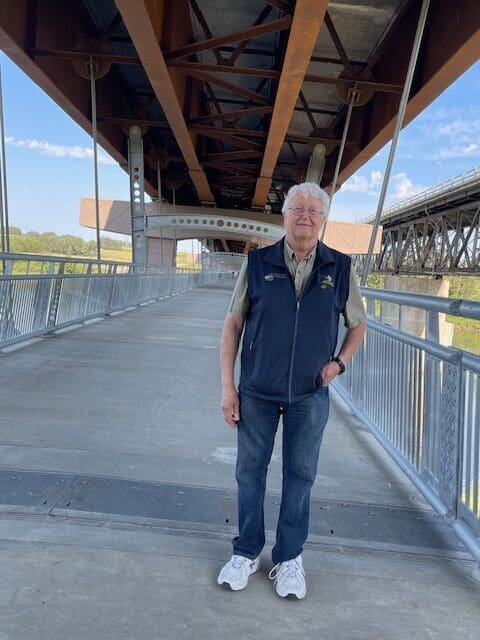
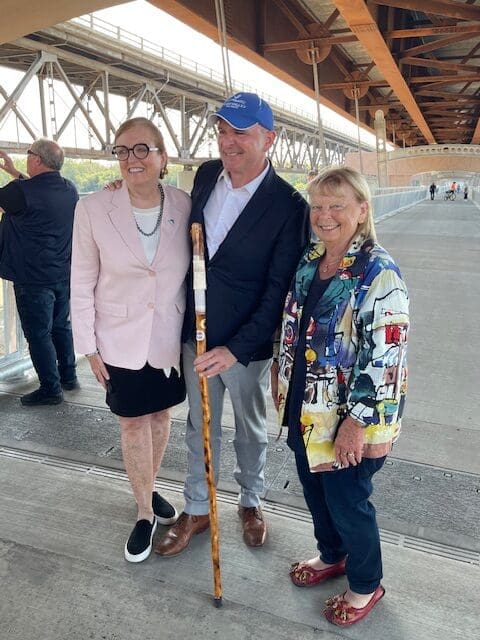
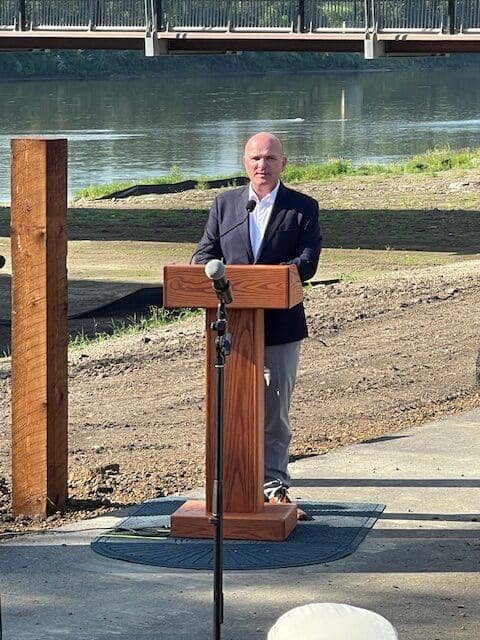
Highway 15 Underslung Pedestrian Bridge Officially Opens

The PEI ATV Federation is kicking off the first phase of the Tip-to-Tip ATV Trail Network project
This ambitious plan will create a sustainable, interconnected trail system across Prince Edward Island, enhancing ATV tourism, supporting local communities, and promoting safe, responsible riding.
What’s Happening?
- A comprehensive Trail Concept Plan will map over 450 km of existing trails and identify key connections to expand the network.
- Public consultations, workshops, and focus groups will engage communities, landowners, and stakeholders.
- Environmental sustainability and legal trail access are top priorities.
Key Project Objectives:
- Engage the general public and key stakeholders throughout all phases of the project.
- Design a legal and environmentally responsible trail network connecting communities across PEI.
- Enhance local economic activity through increased ATV tourism.
- Establish clear agreements with landowners to ensure responsible trail use and access.
- Minimize ecological impact through careful planning and adherence to environmental regulations.
- Promote safe and responsible ATV use, raising the profile of the sport.
- Create opportunities for new ridership and community engagement.
The project will address the growing demand for ATV trails, with over 10,000 registered ATVs on the island and increasing interest in ATV tourism. This trail network will provide a crucial connection within the greater ATV trail system, separate but complementary to the non-motorized Confederation Trail. The successful consultant will work closely with PEIATVF, residents, government agencies, environmental organizations, and local stakeholders to develop a comprehensive plan that balances recreational needs with environmental stewardship and community interests.

Post-Fiona Trail Clean-up in PEI
Written by Tracey Gairns Brioux & Island Trails Board Members
Prince Edward Island Trails, Inc. (Island Trails) was established in 1994. The development of the woodland hiking trails component began in about 2003. Serious planning began for that trail in 2005, and permits, funding, and construction took place from 2008 to 2009. Six woodland trails (Black Marsh, Winter River, Gairloch Road, Forest Hill, Boughton River, Breadalbane) followed a similar but much-accelerated course. Their construction was completed in 2010. Subsequently, Bonshaw, Strathgartney, Forestview and Selkirk Forest Walking Trail were added to the Island Trails network of hiking, cycling and equestrian trails. Island Trails maintains all but Bonshaw and Strathgartney.
When theCOVID-199 pandemic struck, like everything else, Island Trails activity slowed. As the restrictions from COVID-19 began to ease, the trials became the most frequent they had ever been. Website traffic doubled in 2020-2021, and more people seemed to be looking for opportunities to get out of their homes and into nature. The future was looking bright.
Fiona
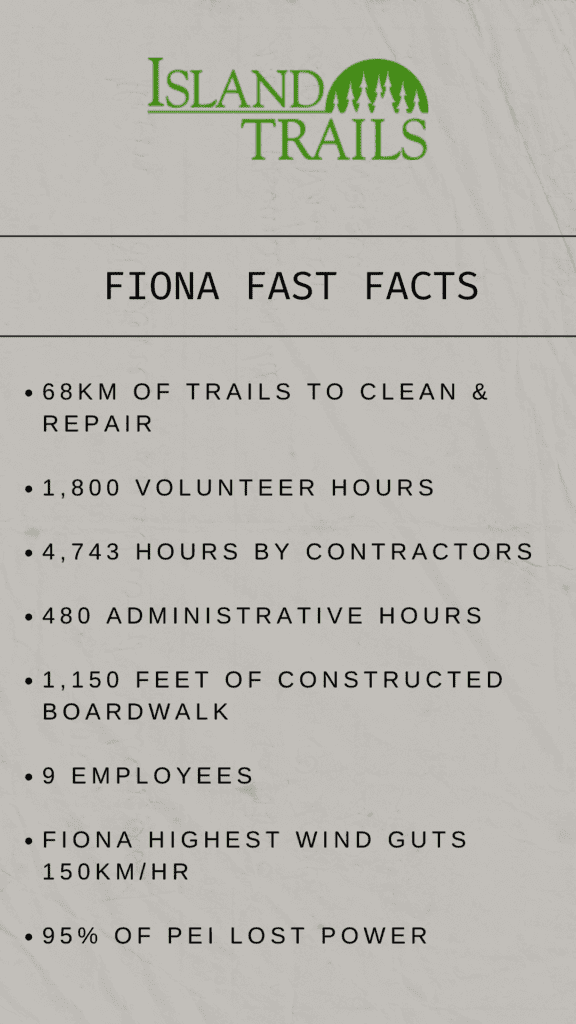
Hurricane Fiona was the costliest and most intense post-tropical cyclone in Canadian History. Fiona made landfall near Whitehead, Nova Scotia, on the morning of September 24 as a recently transitioned extratropical cyclone with hurricane-force winds. Environment Canada assessed Fiona’s maximum sustained winds at landfall to be around 105 mph (169 km/h). A peak wind gust of 111 mph (179 km/h) was recorded in Arisaig, Nova Scotia, with peak gusts in Prince Edward Island recorded at East Point at 93 MPH or 150 km/hr.
Fiona affected the four provinces of Atlantic Canada and Quebec. The storm caused significant flooding in southeastern New Brunswick, Prince Edward Island, northeastern Nova Scotia, and southern Newfoundland. Ninety-five percent of Prince Edward Island customers were powerless, and thousands of trees were knocked down and uprooted. PEI lost 40% of its woodlands and destroyed its trail systems.
Teacup Rock, a rock formation and local tourist attraction on the coast near Thunder Cove, Prince Edward Island, was destroyed after Hurricane Fiona struck. Fiona also caused severe erosion to the province’s dune system, particularly within the Prince Edward Island National Park. (source)
Robinsons Island was one of the community favourites in the island trail system, and it saw extensive damage during Fiona. The causeway to the Island was built in 1956 and destroyed by wind and waves during the storm. The province decided not to rebuild after the damages occurred. See- Broken road to Robinsons Island being removed rather than rebuilt– Article in CTV
The damage to the PEI Trail Network was extensive. Islanders and tourists who enjoyed using the trails, especially during COVID-19, could no longer do so due to safety concerns, and the trails were essentially wholly covered in fallen trees.
Post Fiona
Island Trails volunteers understood the importance of the Trail Network to Islanders and tourists and began working on opening the trails immediately after the storm. Between October 2022 and March 2023, over 1,300 volunteer hours were recorded, which amounts to over $66,000 in in-kind contributions by Island Trails volunteers.
Bryson Guptill, a longstanding member of the Island Trails board, reported that the first Island Trails 9 Trail system was to be tackled after Fiona was Winter River. Being one of the more popular trails, located about five kilometres north of Charlottetown, it seemed the most logistically appropriate trail to start with. The damage was almost indescribable. Bryson reported, “The trail was completely covered in downed trees that hid where the trail once was. It took a GPS to find the trail, and then volunteers had to climb over trees, which would take hours, to mark out where the trail would be with tape. The blockage of trees was so extensive in some areas that you may be able to get in a little way, but then you’ll find you can’t get by without actually crawling over or under the trees. Hence, it’s tough, and that can be disorienting.” The following are a few images from the very early stages of the cleanup.
Clean-up Begins/Funding Required
Within 6 months of Fiona, volunteers had put in a conservative estimate of 1,321 hours.
After months of hard work and heavy lifting, Island Trails recognized that they would require assistance to open the trails for use in the spring of 2023.
An application was submitted to the Canadian Red Cross’s Provincial Financial Assistance Program to continue opening the trails. In April, a project coordinator was hired to oversee the project, and a temporary trail crew and contractors were hired to work on the Boughton River, Forestview, and Breadalbane trails.
In the fall of 2022, The Government of Canada announced support for post-Fiona through the Hurricane Fiona Recovery Fund coordinated by the Atlantic Canada Opportunities Agency (ACOA).
November 2023 – March 2024
Island Trails manages 68 km of trails spread across nine different trail systems. After the trails were opened to full width, crews worked over the winter months to remove more fallen debris and clean up alongside the trails, which required another 748 hours of paid time. New chainsaws were purchased between November 2023 and March 2024, and a course on chainsaw safety, another on chainsaw maintenance, and a first aid course were taken.
Inspiring Responsible Trail Use: The Role of Trail Managers in Protecting Canada’s Wild Spaces
Canada’s trails are more than just pathways through nature—they are invitations to explore vast mountain ranges, ancient forests, rolling prairies, and rugged coastlines. From the windswept cliffs of Newfoundland’s East Coast Trail to the alpine passes of the Rockies and the tranquil boreal forests of the north, these trails connect people to the raw beauty of the land. But with that privilege comes responsibility. As stewards of these incredible places, trail managers and operators can shape how people experience, respect, and protect them.
Responsible trail use doesn’t happen accidentally—it is cultivated through inspiration, education, and leadership. Every sign, every outreach effort, and every interaction with visitors is an opportunity to deepen their connection to the landscape and instill a sense of responsibility. When people understand that each step off-trail can damage fragile alpine plants, that feeding wildlife disrupts delicate ecosystems, or that litter left behind can last for generations, they are more likely to change their behaviour.
Trail managers have the unique ability to transform trails into living classrooms. Stories—of Indigenous heritage, the resilience of wildlife, and the forces that shaped the land—can be woven into the trail experience through interpretive signs, guided walks, and digital storytelling. When people feel emotionally connected to a place, they are far more likely to care for it.
Encouraging stewardship is not about enforcement; it’s about inspiration. People protect what they love. By fostering a sense of wonder and respect, trail managers don’t just maintain trails—they shape the attitudes of those who walk them. In doing so, they help ensure that Canada’s wild spaces remain unspoiled, not just for today’s adventurers but for future generations.
By Terri LeRoux.