Conservationists upset about potential damage to Main River watershed
Lindsay Bird · CBC News · Posted: Apr 22, 2021 6:00 AM NT | Last Updated: 6 hours ago6 comments
The Main River was designated a Canadian Heritage River in 2001 for its pristine watershed and old-growth forest. In 2009, it became a provincial park. (Submitted by Lem Mayo)
Gary Gale has known the Main River his whole life — and how special the Northern Peninsula waterway, and the land surrounding it, is.
"I've fished and hiked the Main, God — since I was knee-high to a grasshopper, I suppose," he told CBC from his home in Hampden.
The Main River is about as remote as it gets in Newfoundland. You can see the mouth of it, where it spills into White Bay between the two communities of Sop's Arm and Pollard's Point, but there was no road access into its watershed whatsoever until the mid-1980s, and even then, nothing beyond rough woods roads.
Its pristine waters and old-growth forest led to it being designated a Canadian Heritage River in 2001 — the first one in the province — for what that organization deemed "its outstanding natural and recreational values." In 2009, an extra layer of protection was added, when the province established the Main River Waterway Provincial Park.
Category: Local News Published: Wednesday, 21 April 2021 15:38 Written by Rob Mahon
Photo credit - Discover Estevan
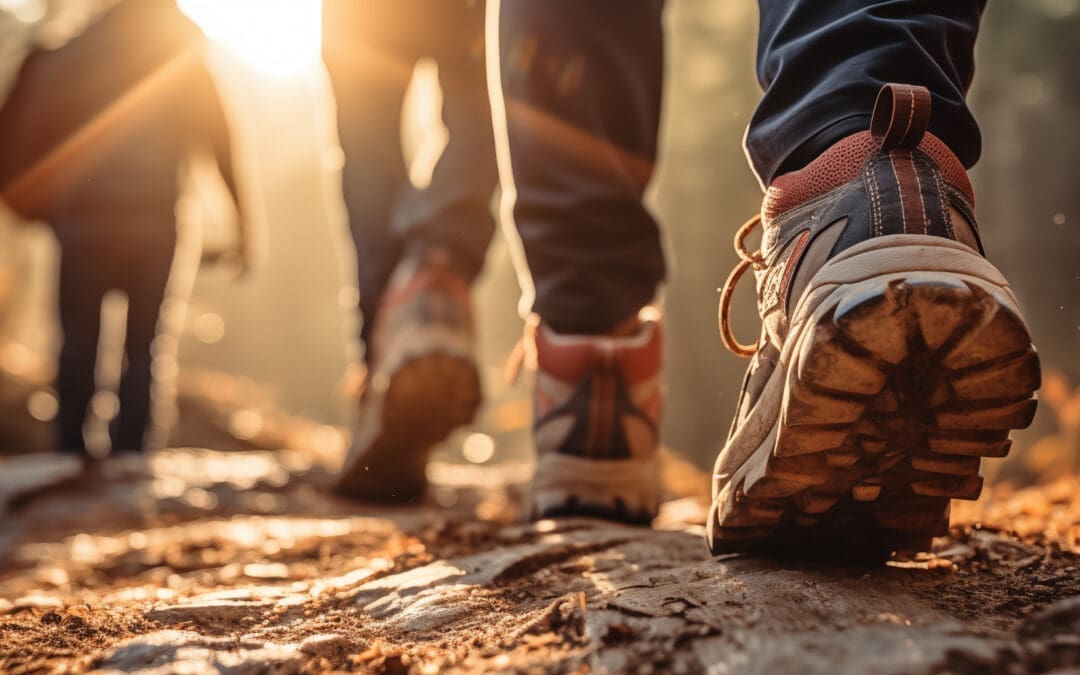
The Estevan and Area Trails Association is trying to make hiking more accessible and more fun in the Estevan area.
Walking, jogging, hiking, and cycling are all among the few physical activities not interrupted by COVID-19 since the pandemic began. The weather is starting to turn to the point where people can get out and do it, and now they just need a place to do so.
One local group is trying to make sure people have space outdoors to perform the oldest form of exercise in the world and a few others as well. The Estevan And Area Trail Association has been working on cleaning up the trails around Estevan and adding some new elements to them as well.
"We're just looking to get more users on the trails and keep the vegetation down and the soil packed," said organizer Tanner Mantei. "I also just love seeing people out and enjoying the outdoors like I have my whole life."
REGION OF WATERLOO, ONT.—Ten community infrastructure projects in southwestern Ontario are receiving government funding including the rehabilitation of the heritage designated West Montrose Covered Bridge, located in the Township of Woolwich.
Work will include removing and replacing steel bailey trusses with concealed steel girders, repairing and replacing the roof and reinstalling the fire alarm system, indicates a release. The bridge will be temporarily supported while under construction to preserve its structural integrity and heritage design.
Other projects that will receive funding include renovations, upgrades and expansions to community and recreational facilities, installation of a new septic system at an outdoor centre and creation of a multi-use trail to connect an existing trail network to a new transit hub.
The Government of Canada is investing more than $6.9 million toward these projects, with the Government of Ontario providing over $5.8 million through the Community, Culture and Recreation Infrastructure Stream of the Investing in Canada plan. The recipients are contributing more than $4.6 million, including private donations, toward their respective projects.
“The West Montrose Covered Bridge is an iconic landmark in the Region of Waterloo, and beyond,” said Karen Redman, regional chair of the Region of Waterloo, in a statement. “This funding will allow us to complete critical upgrades to ensure its heritage and cultural impact is preserved for our community to enjoy for many years. A new multi-use trail in downtown Kitchener will create a safe and active route for residents to access the future King Victoria Transit Hub, planned for construction in 2021, and will provide a connection to the popular Iron Horse Trail.”
BySaba Aziz Global News Posted April 20, 2021 7:00 am Updated April 20, 2021 11:13 am
WATCH: Science experts question new provincial rules in Ontario, lack of paid sick leave
In an effort to stem the tide of COVID-19, a blanket ban on outdoor recreational activities in Canada’s largest province, Ontario, has raised some questions about outdoor transmission.
Under tightened new restrictions that went into effect Saturday, Ontario ordered the closure of outdoor sporting facilities, multi-use fields and portions of parks or recreational areas containing outdoor fitness equipment. Picnic sites and tables were also closed.
But experts argue that the risk of COVID-19 spreading outdoors when compared to indoor activities is much lower.
“You know, you’re taking away the safe options from people as you do nothing to impact the places where the disease is spreading at a time when our ICUs (intensive care units) are literally collapsing,” Dr. David Fisman, a professor at the University of Toronto and member of Ontario’s COVID-19 Science Advisory Table, said.
Wearing masks has been a part of life for a year, but there's a growing debate over whether they're actually needed outdoors. Some argue that the constantly circulating air currents outdoors make mask-wearing outside unnecessary for preventing the spread of COVID-19 when you're not in crowds, while others say there's still a risk whenever you're in the same vicinity as others.
Some countries and states are already loosening regulations on outdoor masking, fueling the debate. On Sunday, Israel dropped its outdoor mask requirement after COVID-19 cases went down significantly. Some 81 percent of eligible adults in the country are fully vaccinated. A growing number of states in the U.S. are also lifting mask mandates, leaving people in places like Colorado, Montana and Texas free to make their own decisions about masking up in public areas.
That raises a question: If given the choice, what should you be doing when it comes to mask etiquette outdoors?
Currently, the Centers for Disease Control and Prevention recommends that people wear masks in public settings, at events and gatherings and "anywhere they will be around other people." Masks are also required outdoors (and indoors) in 26 states, as well as the District of Columbia and Puerto Rico.
But infectious disease doctors say that local regulations aside, you don't necessarily need to wear a mask in every situation when you’re outdoors. "Outdoor masking in most ordinary circumstances is not going to provide extraordinary value," infectious disease expert Dr. Amesh A. Adalja, senior scholar at the Johns Hopkins Center for Health Security, tells Yahoo Life. "If you're in a crowd where people can’t social distance, masks make sense. But in ordinary outdoor environments, there's not much value to it."