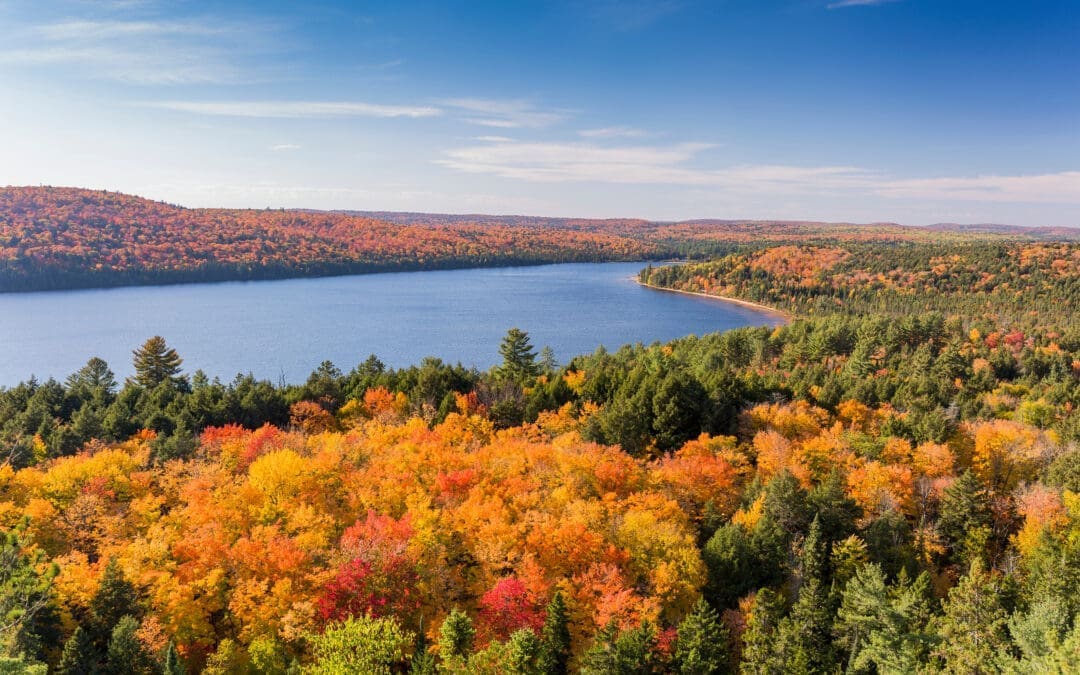
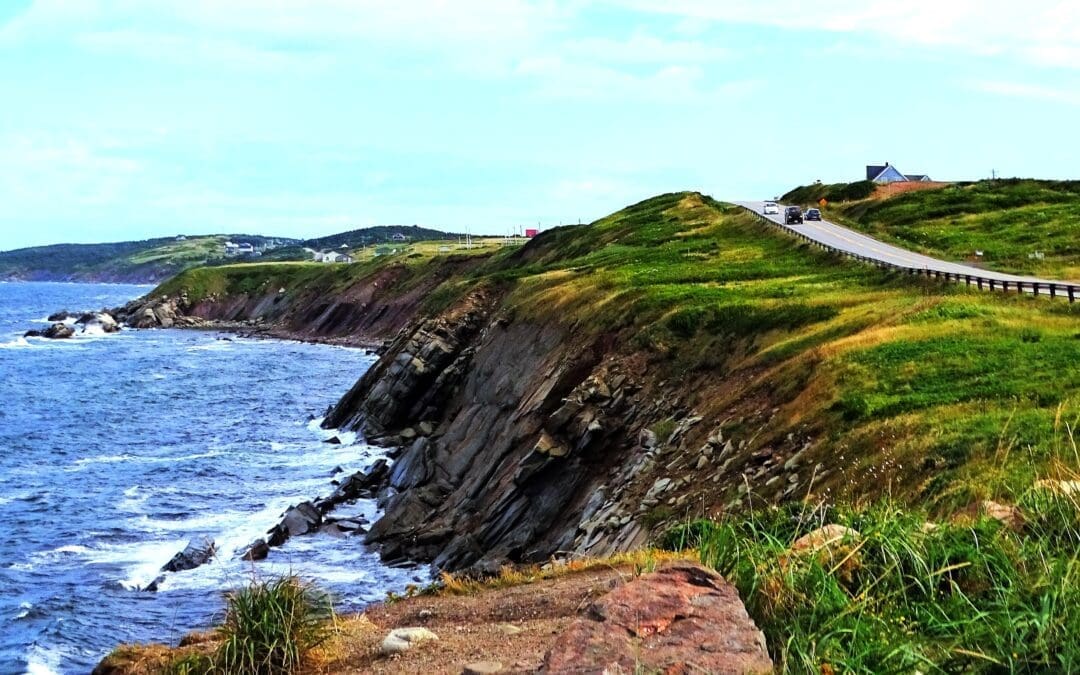
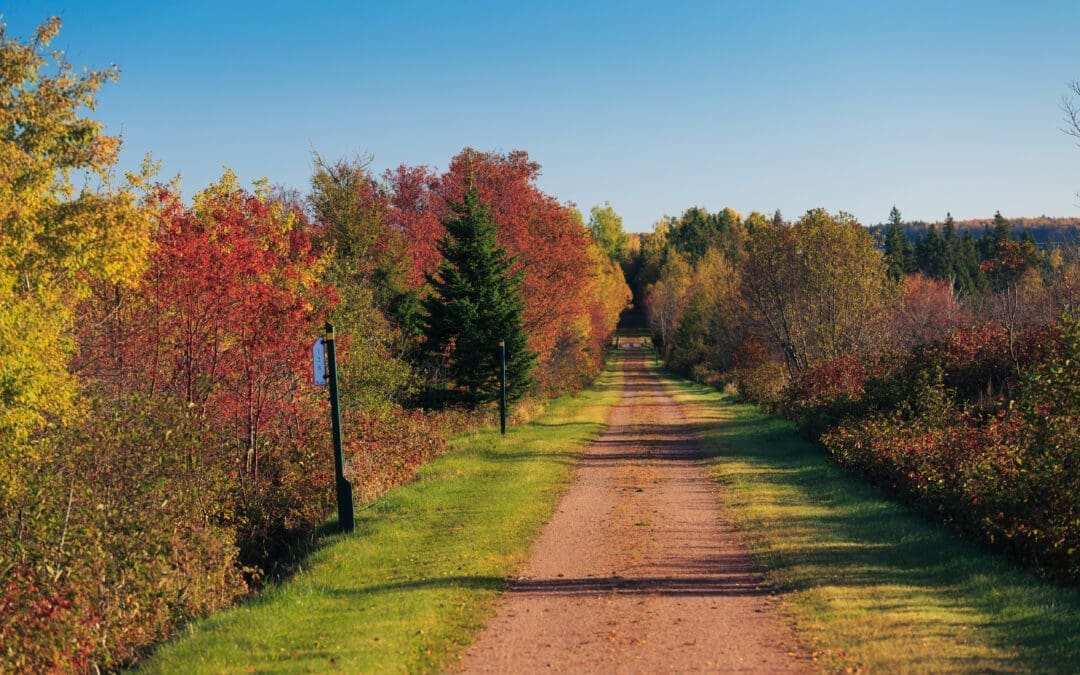
Island Trails on Prince Edward Island offers a unique opportunity to explore the region's scenic landscapes and rich biodiversity. These trails wind through lush forests, coastal cliffs, and rolling hills, providing breathtaking views and a peaceful escape into nature.
Significant for its well-maintained paths and diverse ecosystems, Island Trails serves as a crucial habitat for local wildlife and a recreational haven for hiking enthusiasts and casual walkers alike. Each trail offers a distinct experience, from leisurely strolls along the shoreline to challenging hikes through rugged terrain.
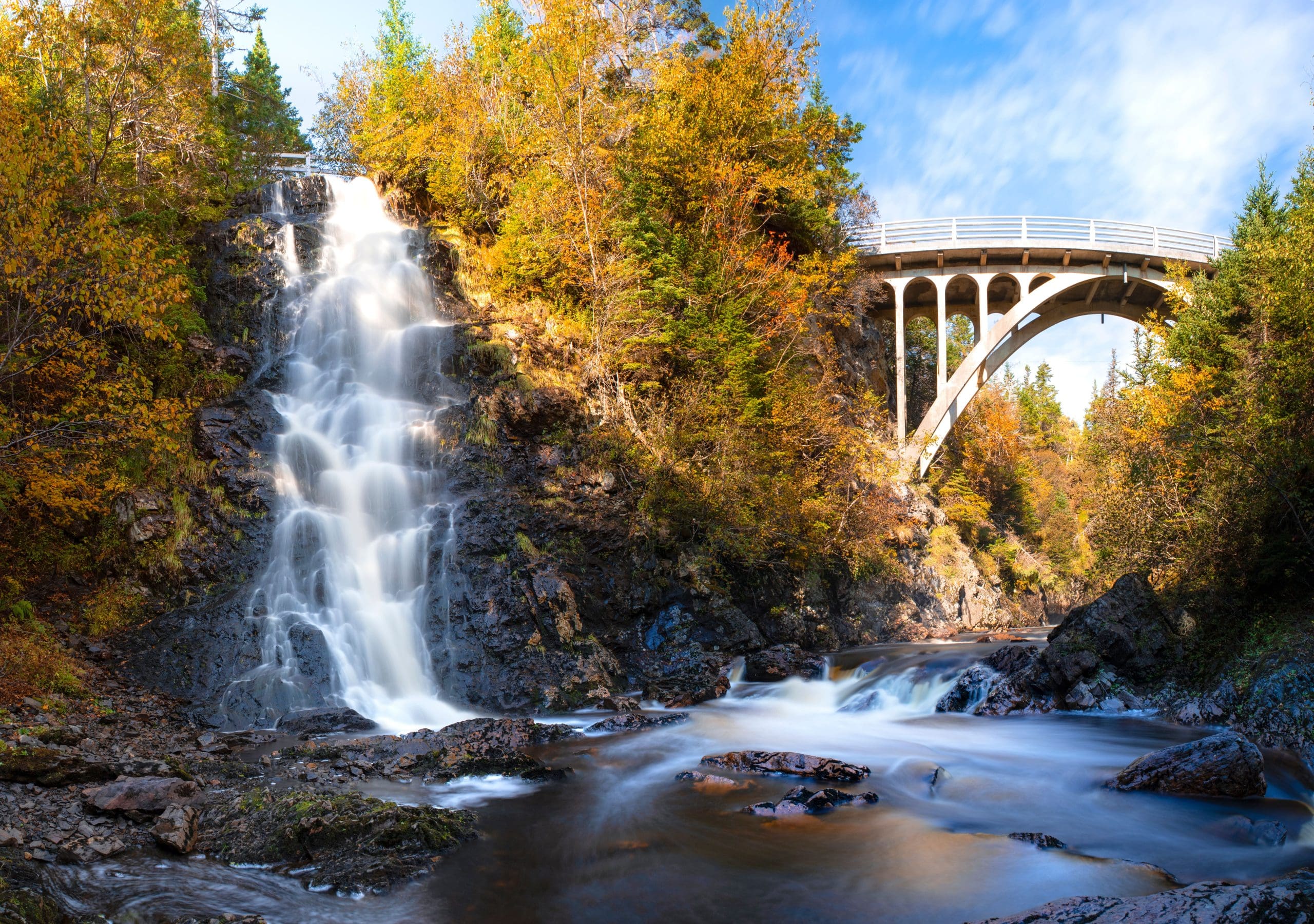
Newfoundland T'Railway is a pivotal part of Newfoundland's outdoor adventure scene, offering an extensive network of trails that showcase the region's rugged beauty and ecological diversity. Each trail is carefully maintained, providing safe and accessible routes for casual walkers, avid hikers, bicyclists, and off-highway vehicles. From the windswept coastal paths offering panoramic views of the Atlantic to serene woodland routes rich with local wildlife, Newfoundland TRailways contributes significantly to the preservation of the province's rich history and natural heritage while promoting healthy, outdoor lifestyles.
The Nova Scotia Trails Federation plays a pivotal role in the development, maintenance, and promotion of trails across Nova Scotia, ensuring that locals and visitors alike have access to safe, scenic, and sustainable outdoor experiences. By fostering a network of diverse trails, they enhance not only recreational opportunities but also the region's environmental and economic health.
Our primary focus is to promote the safe operation of ATVs and SXSs. Think Safe. Ride Safe. Be Safe.
ENVIRONMENTALLY CONSCIOUS
We love to ride, and we know it’s only possible because of the countless landowners who allow us access to their property. We take every possible precaution to ensure we do not damage or pollute the land we rely on. Signs are posted all along the trails to remind riders that it’s a privilege—not a right—to ride our trails.
EXPANDING OUR TRAILS
Our vision is to have ATV trails extend from the tip to the tip of our beautiful Island. Nine clubs are currently working hard to make this happen. Each club is recognized by the PEI ATV Federation, and we frequently add clubs.
ABOUT THE ATV FEDERATION
The PEI ATV Federation comprises 10 active clubs on PEI. We work closely with each club and landowners to promote rider safety, OHV (Off-Highway Vehicle) laws, trail expansion and maintenance.
We appreciate landowners’ contributions to building a safe trail for our members. By providing land for trail development, they are helping us develop a designated area for riders to pass safely through their land. This encourages only approved members to be on their property and discourages unlawful trespassers.
The ATV Federation also provides $5 million liability insurance to our landowners.
To operate an OHV (Off-Highway Vehicle) other than a snowmobile or dirt bike, the driver must be at least 14 years old. If the driver is between 14 and 19 years old, they must have completed an OHV Safety Training course.
There are more than 10,000 kilometres of trails to explore throughout Nova Scotia, spanning wilderness areas, rural communities and urban centres alike. Our vast networks of outdoor trails are a great source of pride for Nova Scotians
The Nova Scotia Trails Federation (NS Trails) is the collective voice of the trails sector. We are proud to provide resources and support to more than 140 volunteer community groups and municipalities across the province, helping them to build and maintain safe and enjoyable trail experiences for all. We are also the official provincial partner of the Trans Canada Trail, the world's longest trail network.
There are an additional six provincial trail user groups under the NS Trails membership umbrella, including the ATV Association of Nova Scotia, Snowmobile Association of Nova Scotia, Nova Scotia Off Road Riders Association, Cycling Nova Scotia, Canoe Kayak Nova Scotia, and the Nova Scotia Equestrian Federation. Together, we represent and support thousands of trail users, managers, and builders across the province.
NS Trails is also the lead coordinating partner with the government on the Shared Strategy for Trails in Nova Scotia. Launched in 2019, the Shared Strategy is a roadmap for the future of the trails sector, based on years of consultation between government, landowners, Mi’kmaq communities, businesses, and stakeholders.
The Newfoundland T’Railway Council is a non-profit organization that aims to develop a recreational trail from St. John’s to Port aux Basques along the former Canadian National Railway line. The council aims to promote multi-use trail development while preserving abandoned railway lines for future use, such as hiking, biking, equestrian, snowmobile, ATV, and cross-country ski trails.
Other activities, such as dog sledding and snowshoeing, may also be appropriate in some regions. The trail, known as the Newfoundland T’Railway Provincial Park, extends for 883 km (548 miles) and links urban, rural, and wilderness areas. This park is an integral part of the Newfoundland section of the Trans Canada Trail, which stretches from St. John’s, NL, to Victoria, BC, and Tuktoyaktuk, NWT. The Trans Canada Trail, once complete, will be the longest continuous trail in the world, spanning more than 22,000 km. The Newfoundland T’Railway Council is a non-profit organization that aims to create a recreational trail using the former Canadian National railway line from St. John’s to Port aux Basques. The organization’s goal is to promote the development of multi-use trails while also preserving abandoned railway lines for future use, such as hiking, biking, equestrian, snowmobile, ATV, and cross-country ski trails.
Other uses, such as dog sledding and snowshoeing, may also be appropriate in certain regions. The railbed route, known as the Newfoundland T’Railway Provincial Park, spans 883 km (548 miles), connecting urban, rural, and wilderness areas. The park is part of the Trans Canada Trail, stretching from St. John’s, NL to Victoria, BC and Tuktoyaktuk, NWT. Upon completion, the Trans Canada Trail will be more than 22,000 km long, making it the world’s longest continuous trail.
Our long-term goal at the Newfoundland T’Railway Council is to ensure the sustainable development and preservation of the T’Railway, maintaining its ecological integrity and cultural significance while securing its role as a recreational haven for both present and future generations. Maintaining this extensive trail network is costly and challenging, particularly due to natural obstacles such as spring runoff and beaver activity.
Following 114 years of railway service, Canadian National Railways ended its rail transport service on Prince Edward Island on December 28, 1989. It then divested itself of the abandoned right-of-way.
The late Donald Deacon, an avid cyclist, activist, and philanthropist, had cycled similar unused rail lines in the United States. There, the Rails to Trails Conservancy had successfully lobbied to convert the abandoned rail beds into cycling and hiking trails. Donald recognized that the same opportunities existed for recreation and tourism on Prince Edward Island.
After holding several public meetings, PEI Rails to Trails was established. Donald's determination to see the 274 km of rail bed, running from Tignish in the west to Elmira in the east, converted to recreational use was finally realized in August of 2000.
Prince Edward Island Trails, Inc. (Island Trails) was established in 1994, as a successor to PEI Rails to Trails, coinciding with the formation of the Trans Canada Trail. The Confederation Trail is this province's contribution to that great work. The new organization assumed an expanded mandate to promote, develop, and maintain a network of trails in the province.
Promotion and protection of the Confederation Trail has continued since that time. The development of the woodland hiking trails component began in about 2003, with the identification and lobbying to access the Dromore Woodland site.
Serious planning began for that trail in 2005, and permits, funding, and construction took place from 2008 to 2009. It has been designated the PEI portion of the International Appalachian Trail. The remaining six woodland trails followed a similar but much accelerated course. Their construction was completed in 2010.
The work continues, with plans in place for upgrading several sites from the list of Other Hiking Trails elsewhere on this website.
Island Trails is a nonprofit corporation that is presently governed by a new Constitution adopted at the 2010 Annual General Meeting and amended at the September 2018 AGM.