'Backpacking in Southwestern British Columbia: The Essential Guide to Overnight Hiking Trails' includes Sea to Sky Corridor trips.
2 days ago By: Jennifer Thuncher
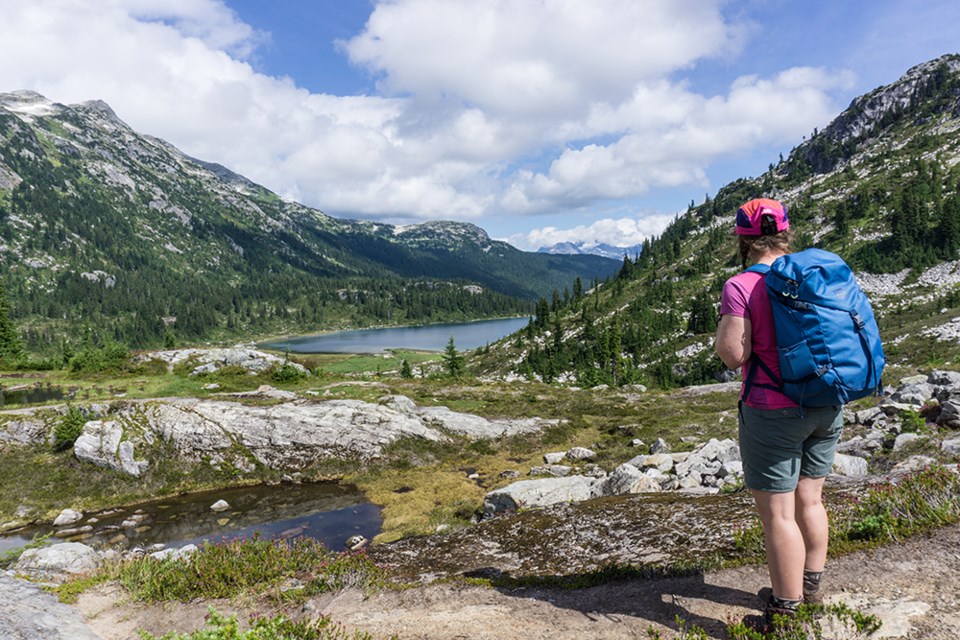
A shot from Rainbow Pass, one of the trips featured in Taryn Eyton's new book. Courtesy Taryn Eyton
Taryn Eyton has written the book she wished existed for her when she started overnight backpacking.
Eyton, who is also the president of the Friends of Garibaldi Park Society, is the author of Backpacking in Southwestern British Columbia: The Essential Guide to Overnight Hiking Trails, which comes out on May 11.
"This is the first guidebook, as far as I know, that focuses on backpacking," she said.
There are 40 spots featured in the book and they are all overnight or multi-day trips, with options for extending trips with day hikes beyond the campsites.
Routes featured are from the North Shore up to Pemberton and Lytton, and from the Sunshine Coast out to the Similkameen Valley.
She includes information about how to book campsites, how many sites there are, where to source water, and how to store food.
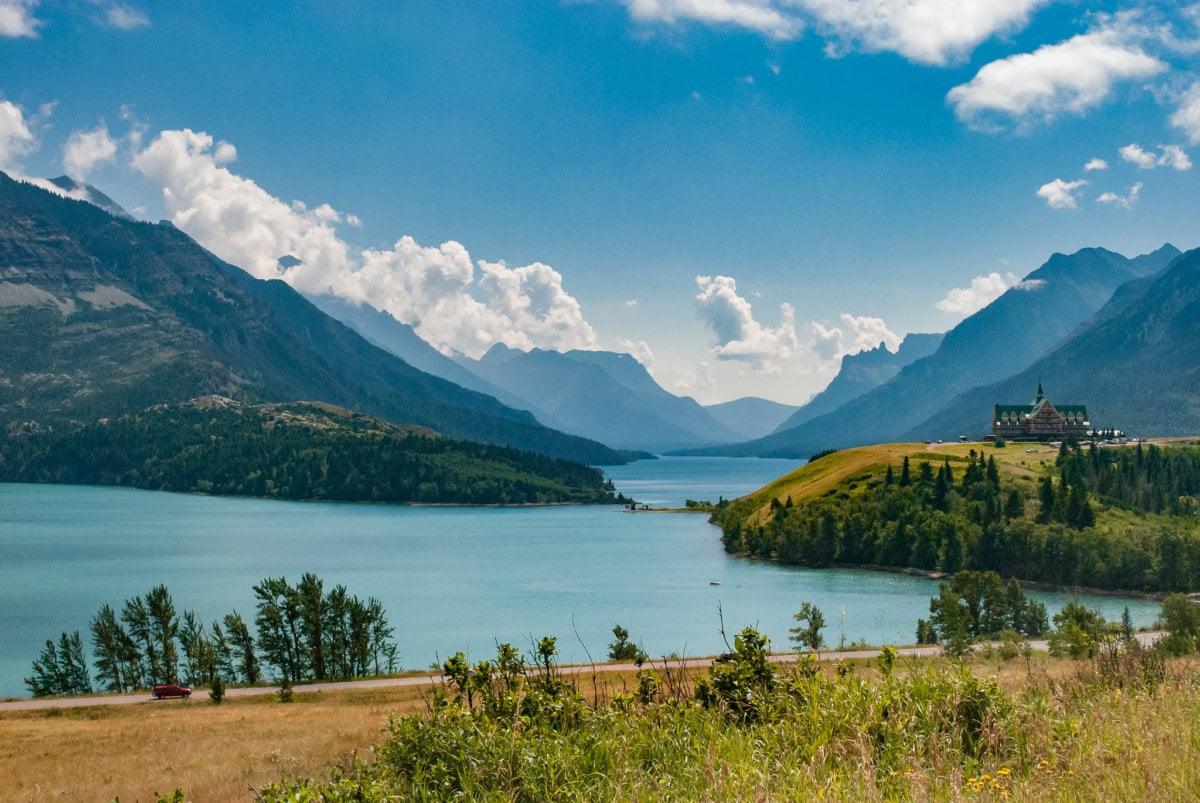
In the southern part of Alberta, travellers will come across one of the most incredible national parks that the country can offer. Bordering on the United States, Waterton Lakes National Park encompasses an area that, along with the neighbouring Glacier National Park (USA), has been designated an international peace park, a World Heritage Site, and a Biosphere Reserve.
CALGARY — Measures to control the COVID-19 pandemic made for a bumpy ride for most of the ski and snowboard industry in Canada, as revenues slumped even at resorts that were able to maintain near-normal lift ticket sales in a season that’s coming to a close.
While some resorts are reporting increases in visits thanks to local support, most were hurt by the loss of well-heeled international guests as well as COVID-19 related disruptions to food and guest services, said Paul Pinchbeck, CEO of the Canadian Ski Council.
“Across Canada, we’re probably looking at a 35 to 40 per cent decline in our total revenues,” he said in an interview, though he noted the impact varies widely from region to region.
Western resorts cater to a destination traveller who spends more money, “whereas the eastern resorts and the small resorts tend to have a local who comes all the time, but doesn’t have quite as high a spend.”
Canada’s reputation for outdoor recreation is well-known, from the Western shores of Vancouver Island all the way to the Maritimes. Winding through lakes, forests, and mountains, there are endless possibilities to explore while you get your heart rate going at the same time. Some trails are world-famous, and for good reason -- they can be enjoyed by all.
We’ve rounded up our top picks spanning the country, along with all the information you need to know regarding distances, elevation, and accessibility.With the Wings For Life World Run just around the corner on May 9th, consider this your go-to reference for local spots to train. If you’re looking for some guidance on where to get started on your workout plan, we’ve got you covered.
It’s got all the information you’ll need to get revved up to run with purpose and raise funds to find a cure for spinal cord injury. In advance of race day, continue reading for some of our favourite spots to put in the prep work, and don’t forget to download the WFL app which will let you take part anywhere you choose.
In recent weeks, Alberta's government has moved to add user fees to some of its protected areas, citing the conservation needs from increased visitors seeking to get out of the city
Author of the article:Tyler DawsonPublishing date:May 03, 2021 • 2 days ago • 4 minute read • 19 Comments
A hiker looks at Lake O’Hara, located in Yoho National Park, in this undated handout image. PHOTO BY THE CANADIAN PRESS
Article content
EDMONTON — A former Parks Canada head says governments should look to expand protected wilderness in Canada, seizing on the enthusiasm for the outdoors that has emerged during the COVID-19 pandemic.
“I think it does help alleviate the potential impacts on existing parks and I think it creates new opportunities for people to connect with nature,” said Alan Latourelle, who headed the federal agency between 2002 and 2015. “We have a base of public support that we should seize at this time.”


 A shot from Rainbow Pass, one of the trips featured in Taryn Eyton's new book. Courtesy Taryn Eyton